

CDA Competition Format
Parliamentary Round Example
The following video captures a demo round hosted at CDA’s annual Novice Scrimmage, held on October 3, 2026.
Regular Season Details
Every CDA competition has one Parliamentary Debate motion that students will argue.
Debaters will receive a packet of information they may use to build their arguments, and may work with other members from their school during Case Preparation.
All students compete in teams of two by division: Novice (grades 9/10) and Varsity (grades 11/12).
All schools need to provide enough judges to compete; we need one judge for every four students.
Regular rounds take place in classrooms throughout the school. Debaters and judges will be notified through Tabroom on which classrooms they need to go to.
Pizza and drinks are sold for lunch at every competition; bring cash or your own lunch if you want something else.
| Time | Activity | Comment |
|---|---|---|
| 8:00–9:00 AM | Arrival & Registration | Register, buy lunch tickets, gather in cafeteria |
| 9:00–10:00 AM | Case Preparation | Packet distributed, teams build argument |
| 10:00–11:15 AM | Round 1 | Classrooms or online |
| 11:15 AM–12:30 PM | Round 2 | Classroom or online |
| 12:30–1:15 PM | Lunch | Cafeteria |
| 1:15–2:30 PM | Round 3 | Classroom or online |
| 2:30–3:45 PM | Round 4 | Classroom or online |
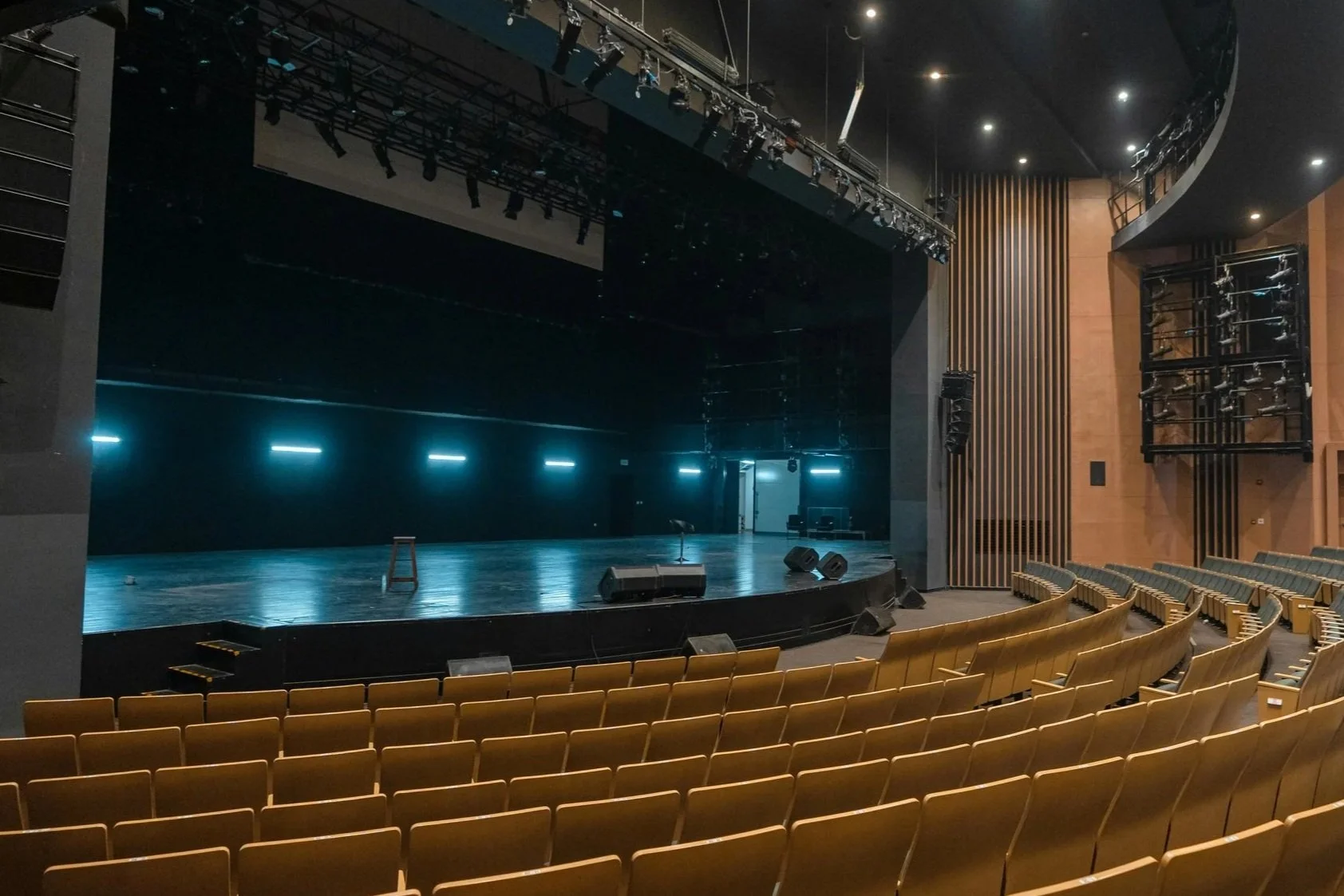
| 4:00–5:00 PM | Varsity Final | Auditorium |
| 5:00–5:30 PM | Awards | Trophies, announcements, departures |
Parliamentary Round Format
| Speech | Side | Time | Goals |
|---|---|---|---|
| Prime Minister Constructive (PMC) | GovernmentGov | 7 Minutes7 min | Introduce the motion Provide definitions/weighing mechanism Lay out contentions |
| Leader of Opposition Constructive (LOC) | OppositionOpp | 8 Minutes8 min | Address/accept definitions Accept/reframe weighing mech. Lay out contentions Begin to refute Gov's arguments |
| Member of Government Constructive (MGC) | GovernmentGov | 8 Minutes8 min | Refute Opp's contentions Rebuild Gov's contentions Address points of clash |
| Member of Opposition Constructive (MOC) | OppositionOpp | 8 Minutes8 min | Refute Gov's contentions Rebuild Opp's contentions Address points of clash |
| Leader of Opposition Rebuttal (LOR) | OppositionOpp | 4 Minutes4 min | Weigh both worlds/refer to weighing mech. Demonstrate why Gov's case is flawed Emphasize negative impact of passing motion |
| Prime Minister Rebuttal (PMR) | GovernmentGov | 5 Minutes5 min | Weigh both worlds/refer to weighing mech. Diffuse Opp's case/clash Reinforce positive impact of passing motion |
Permitted Resources
Debaters are allowed to use the following tools and resources during prep and rounds:

Motion Packet
Provided by the CDA, contains articles and opinions on the general topic being argued.

Notes
Notes taken during prep and opponents’ speeches may be used when students deliver their own arguments.

phones
Students may use their cell phones for timing only. Students may not read their arguments from their phones.

Constitution
Pocket copies of the United States Constitution may be used during prep and referred to during arguments.

Dictionary/Almanac
Informative texts such as dictionaries and almanacs may be used during prep to assist with definitions or relevant facts.

Prior knowledge
Debaters may use prior knowledge if it is relevant to the topic. This knowledge should be treated as fact unless proven otherwise.

Prohibited Resources
Laptops or tablets
Phones for ANY other purpose besides timing
Internet searches/research, or A.I. during prep or rounds
Assistance from partners during speeches
Assistance from any students or parents observing during a round

Qualifying for Finals
During the regular season (October through March), students may qualify for state finals by…
Winning a team trophy
Winning a speaker trophy
Going undefeated in two different competitions (does not need to be with the same partner
State finals are held in late March/early April, and the format is identical to our regular season competitions.
Coaches will be notified of qualifying debaters following the March competition
If there is an odd number of debaters that qualify, students can compete with another member of the school’s team who did not qualify